

Insomnia, anxiety weakens immune system: Study
On the surface, it appears to be a setback. Yet hidden within the disruption is a chance to rethink strategy. Tariffs, harsh as they may be, can prompt Indian companies to step beyond their role as exporters and assume the identity of true global multinationals
Insomnia, anxiety weakens immune system: Study
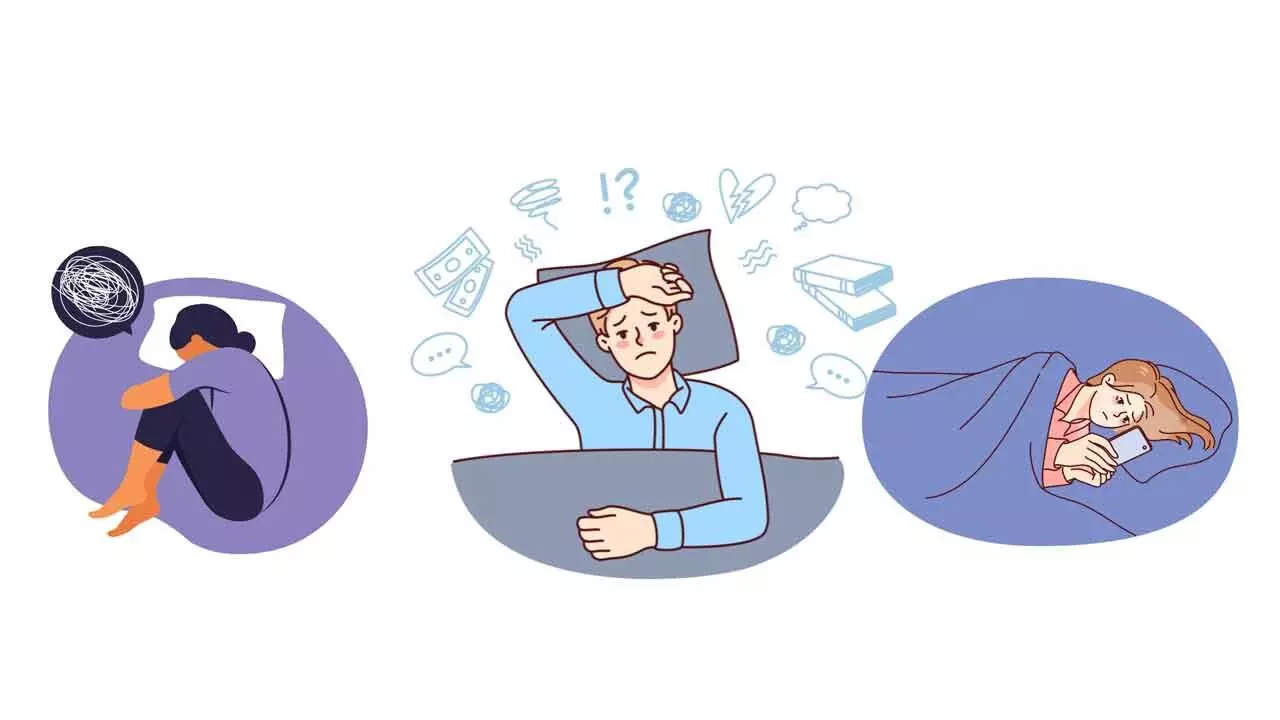
Insomnia or anxiety could be linked to fewer number of immune cells, potentially resulting in a less effective immune system, a study in young women has found. Anxiety and insomnia are known to weaken the immune system and make one prone to disease.
Researchers from Saudi Arabia's Taibah University said this may be because experiencing symptoms of either of the two can reduce the number of 'natural killer cells' -- cells that destroy threats such as pathogens or infected cells.
The study, published in the journal Frontiers in Immunology, examined 60 female students who filled out questionnaires and reported insomnia or anxiety symptoms. Blood samples of the participants were analysed for the number of killer cells.
The findings showed that in young women experiencing symptoms of insomnia, the total number of natural killer cells was lower. Among those experiencing anxiety symptoms, natural killer cells circulating in the body was found to be lower. "The results revealed that 75 per cent of participants experienced GAD-7 (generalised anxiety disorder) symptoms at varying severity levels, and over 50 per cent reported insomnia," the authors wrote.
"Interestingly, students with symptoms of GAD-7 had a lower percentage and number of circulatory NK (natural killer) cells and their subpopulation, compared to normal students. Moreover, among students who were suffering from insomnia, higher GAD-7 scores were negatively associated with the proportion of total peripheral NK cells," they said.
The participants with moderate and severe symptoms of anxiety had a significant lower percentage of natural killer cells circulating in the body, while among those with minimal or mild anxiety symptoms, an insignificant decline in natural killer cells was noted.
Among students with insomnia symptoms, a higher anxiety score was associated with a lower count of total peripheral natural killer cells. Reduced number of killer cells can impair the immune system, potentially increasing one's risk of disease, cancer and mental disorders, including depression, the researchers said. The findings could help better understand the physiological consequences of anxiety and insomnia, and in preventing immune-related disorders and cancers, the team said.





